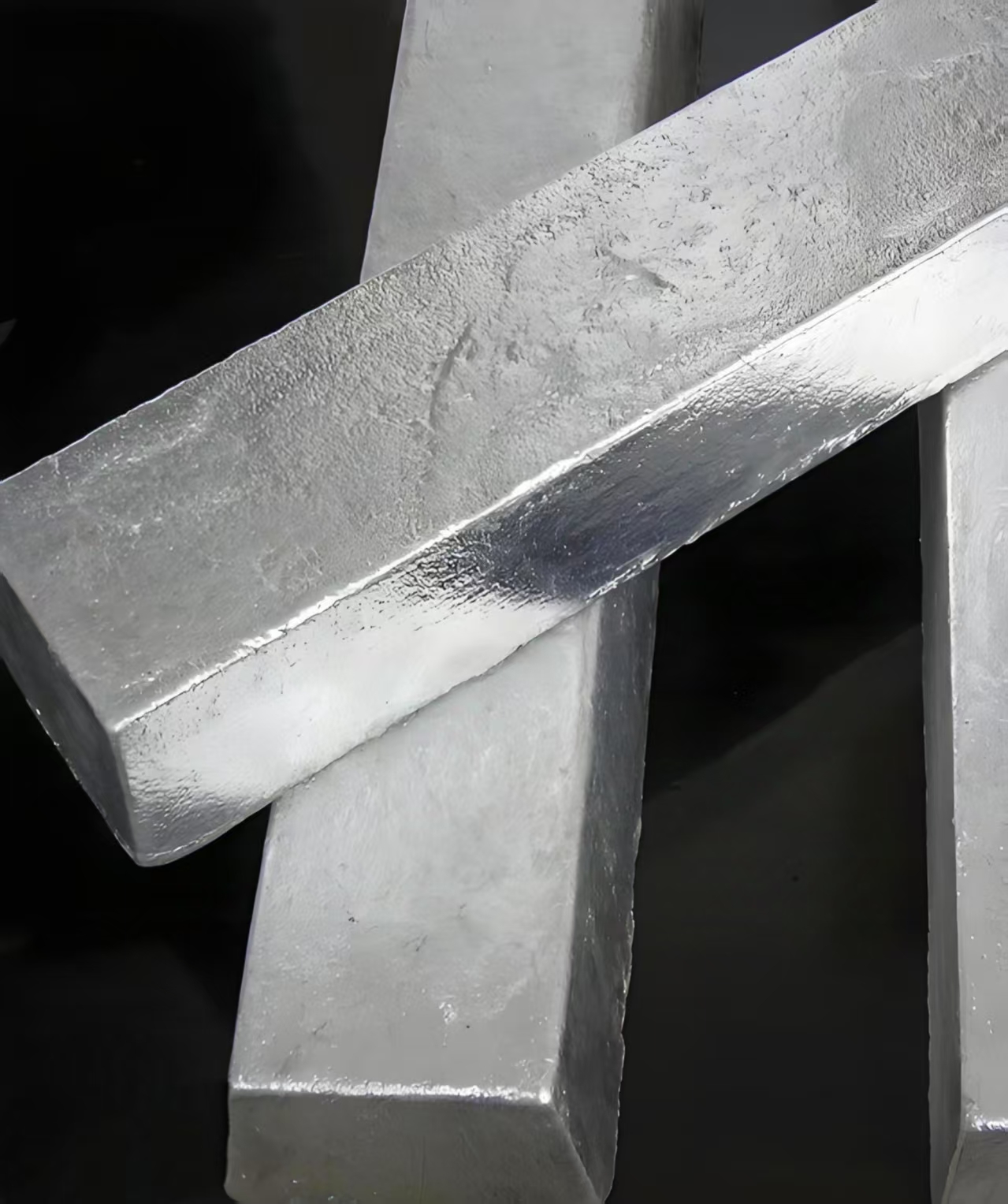
Magnesium alloy, as the lightest metallic structural material (with a density of 1.74 g/cm³—only two-thirds that of aluminum alloy and one-fifth that of steel), has been widely used in the automotive, aerospace, 3C electronics, and medical fields due to its high specific strength, excellent electromagnetic shielding properties,etc. For example, using magnesium alloy for automotive engine housings can reduce weight by 30%, and reducing the weight of electric vehicle motor housings by just 7 kg can increase power density to 4.4 kW/kg. In the medical field, its biodegradable properties are leveraged to manufacture bone screws and vascular stents.
However, magnesium alloys exhibit extremely high chemical reactivity. The naturally formed oxide film on their surface is loose and porous, making them prone to electrochemical corrosion in humid or salt-spray environments, which can lead to material failure.
Evolution of Corrosion Resistance Technology: surface treatment technologies have undergone three generations of development:
First Generation: Physical Barrier. Represented by anodizing and micro-arc oxidation, these methods form a ceramic layer through electrolysis to isolate corrosive media. However, traditional processes result in uneven film thickness, high porosity, and can only withstand neutral salt spray tests for less than 500 hours. Additionally, they are energy-intensive.
Second Generation: Material Modification. This includes rare-earth conversion coatings and ultra-fine grain structure strengthening. These methods reduce the risk of localized corrosion by optimizing the distribution of alloy phases, but the processes are complex and the costs are relatively high.
Third Generation: Self-healing Coatings. Represented composite oxidation technology, these coatings combine physical barrier and chemical self-repair functions to achieve long-term anti-corrosion.
Process Innovation:
Through a multi-stage oxidation reaction, a black film layer with a thickness of 5 to 30 micrometers is generated, which combines compactness with a porous structure, balancing the needs for insulation and heat dissipation.
In practical applications, magnesium alloy surface corrosion protection technology has demonstrated tremendous potential. For example, in the automotive manufacturing field, this technology can enhance the corrosion resistance of magnesium alloy components and reduce maintenance costs; in the 3C electronics and new energy fields, it can protect magnesium alloy casings from corrosive sources such as sweat and dust, improving product reliability and user experience. With further advancements in technological performance, the scope of application will continue to expand. At the same time, combined with other advanced surface treatment technologies, a more diversified range of magnesium alloy corrosion protection solutions can be formed to meet the diverse performance requirements of different fields for magnesium alloys.